
summer ruck match
Typically held in the summer
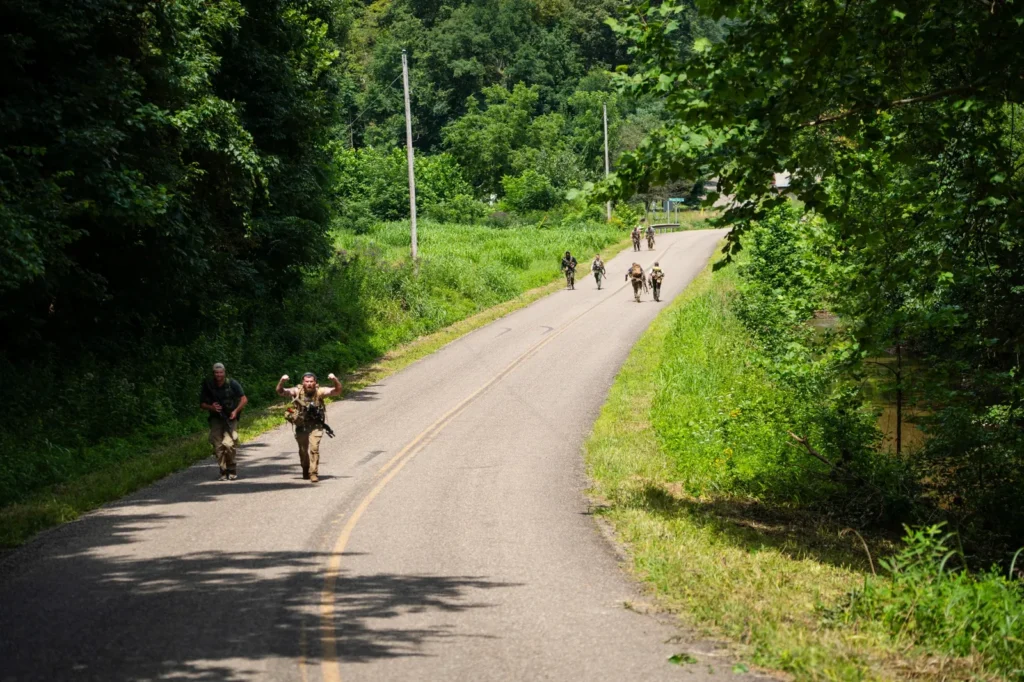
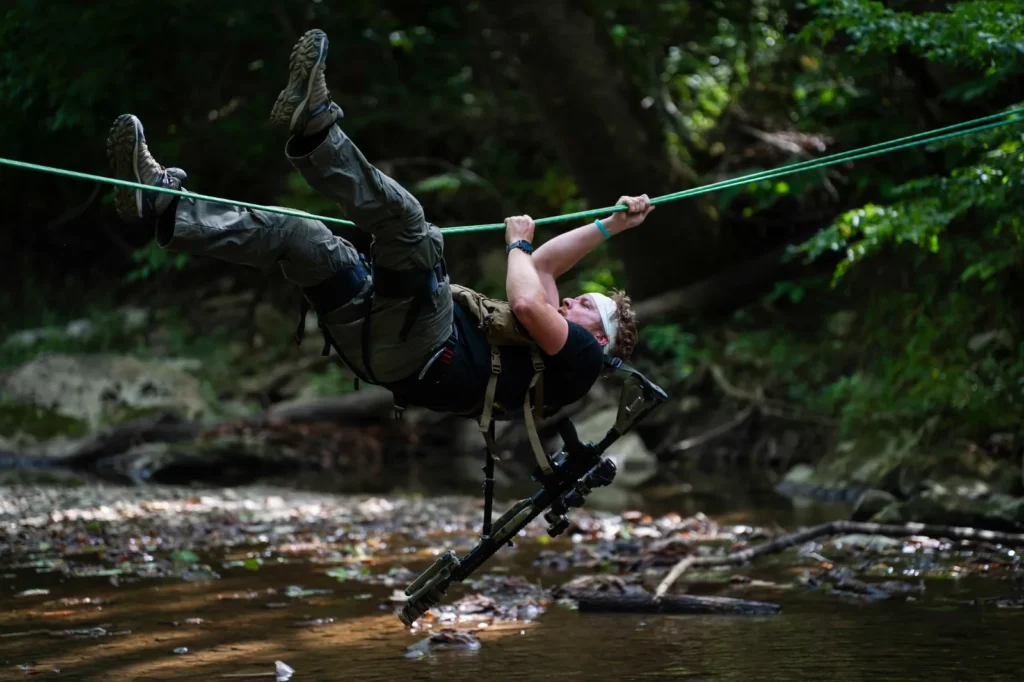
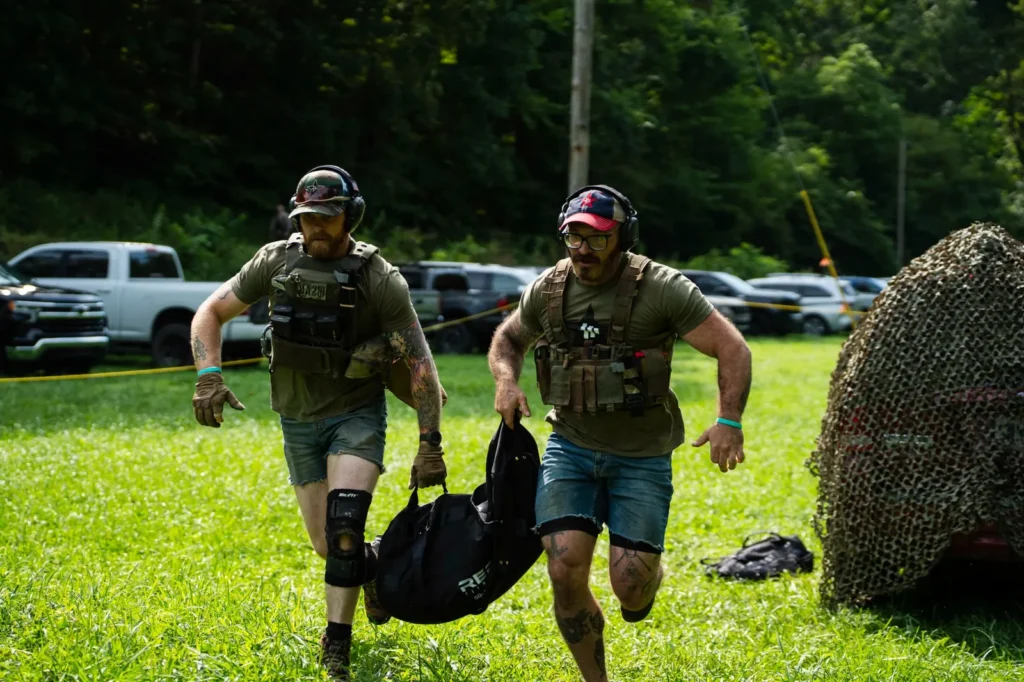
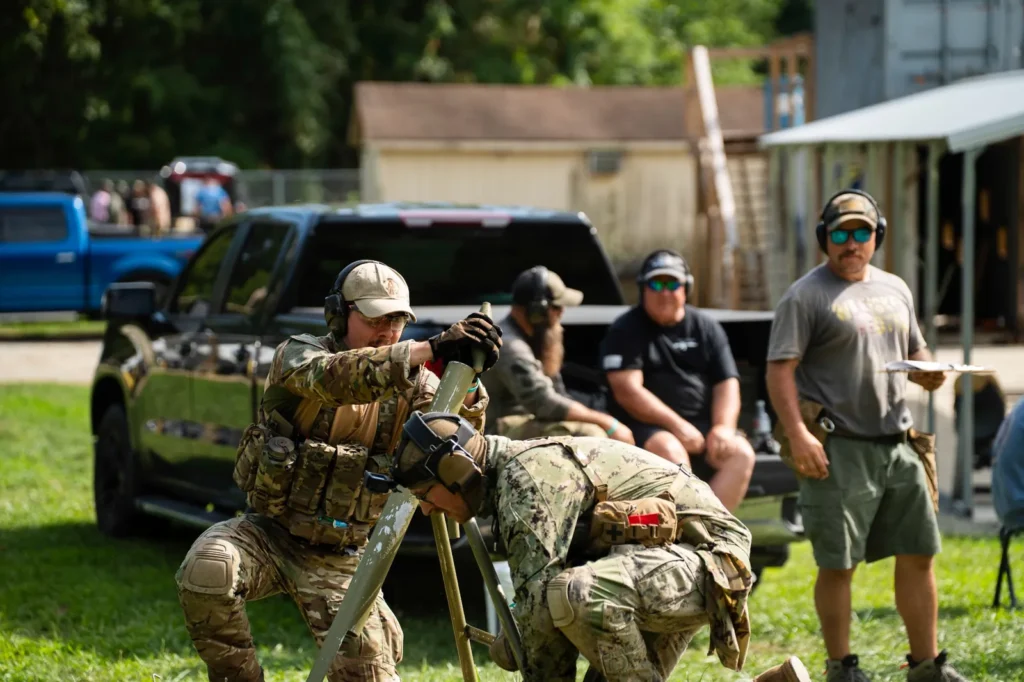
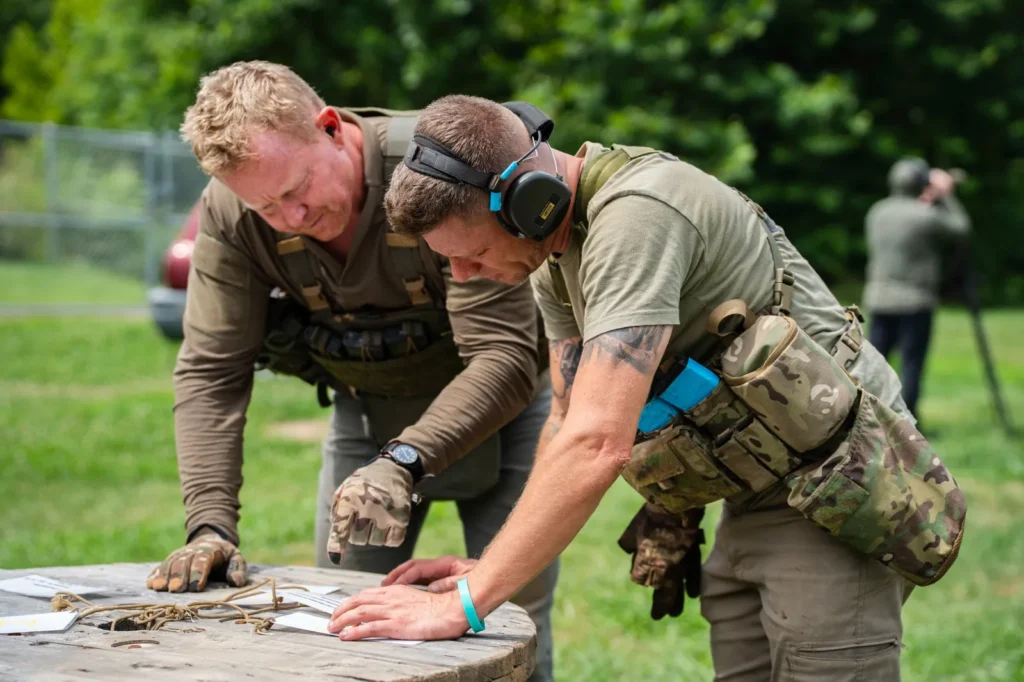
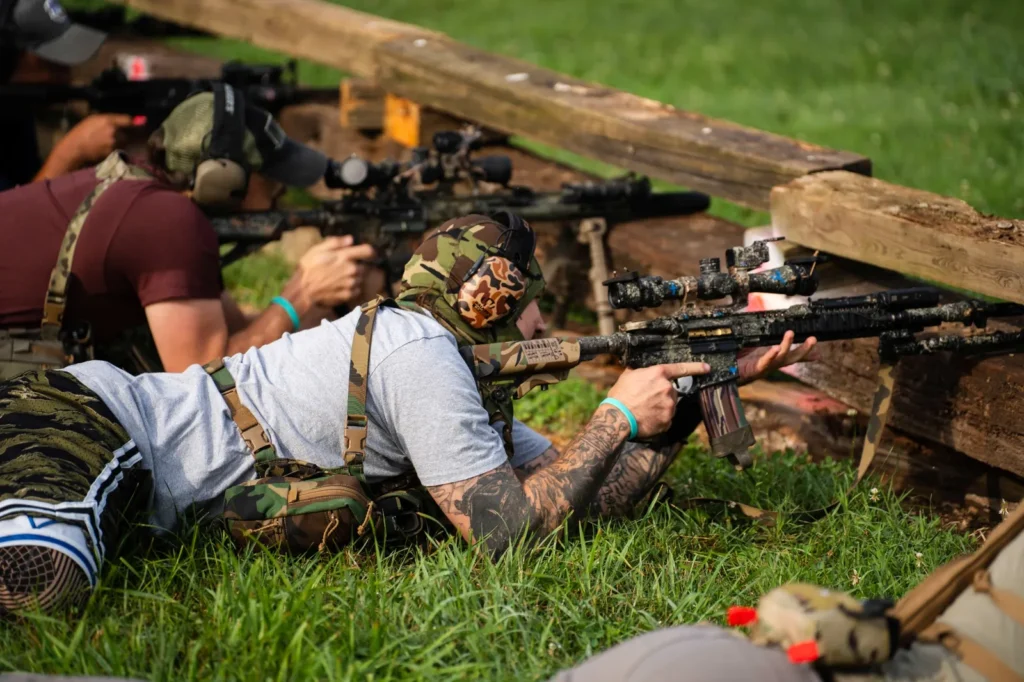
What is team ruck?
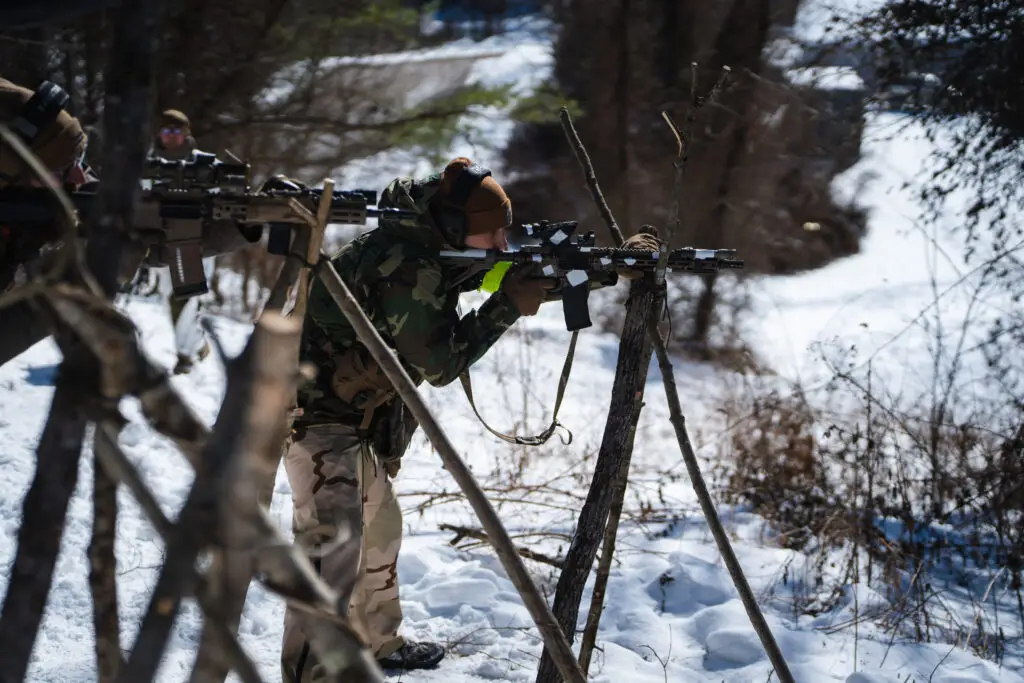
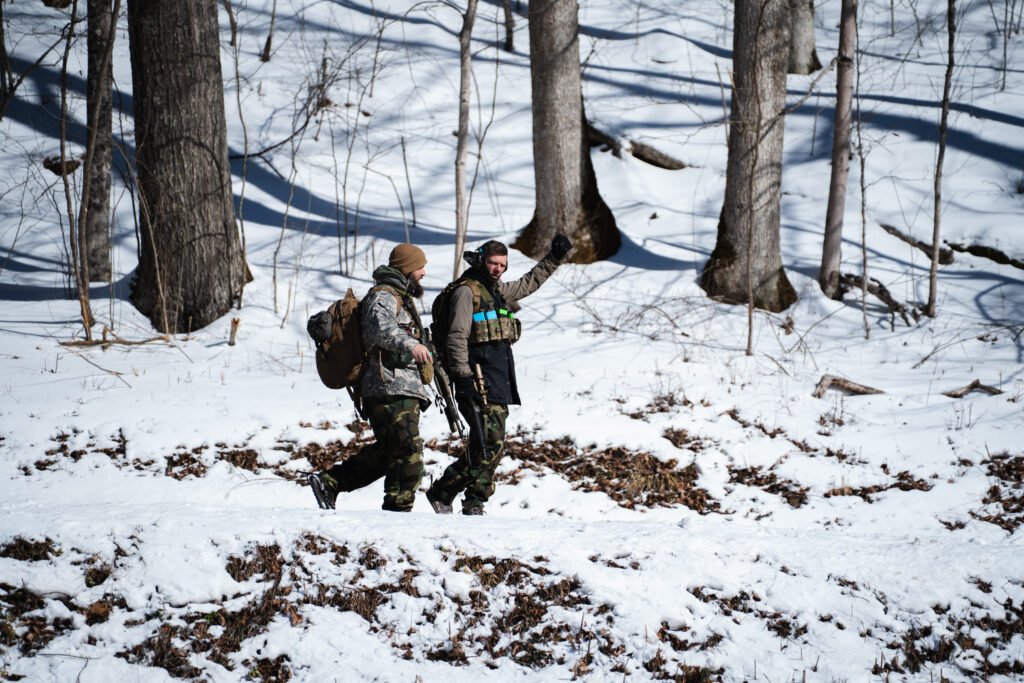
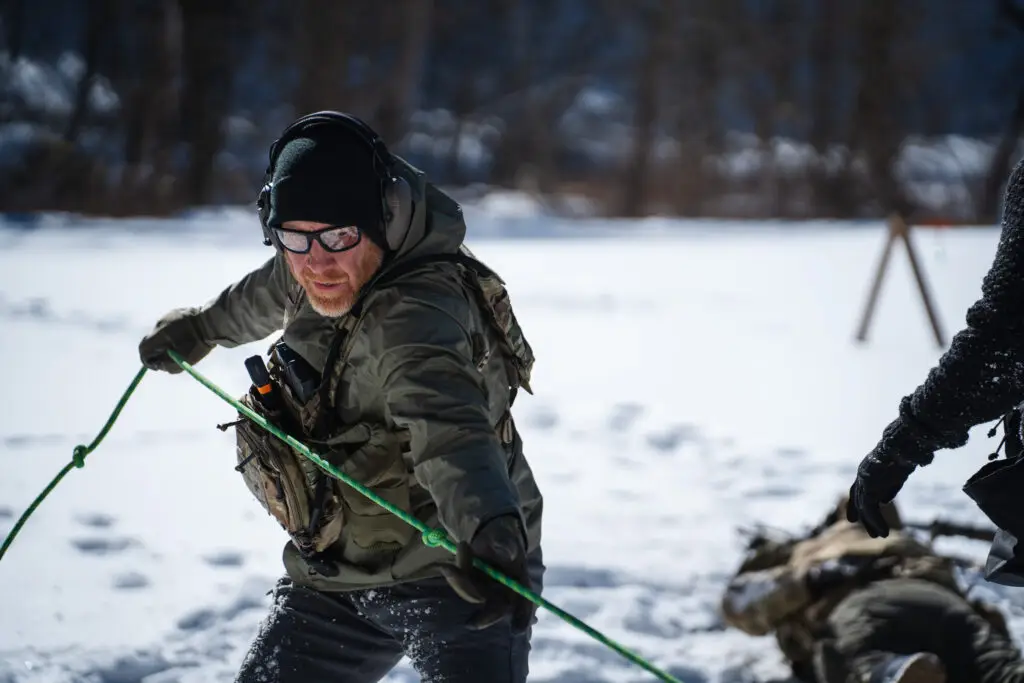
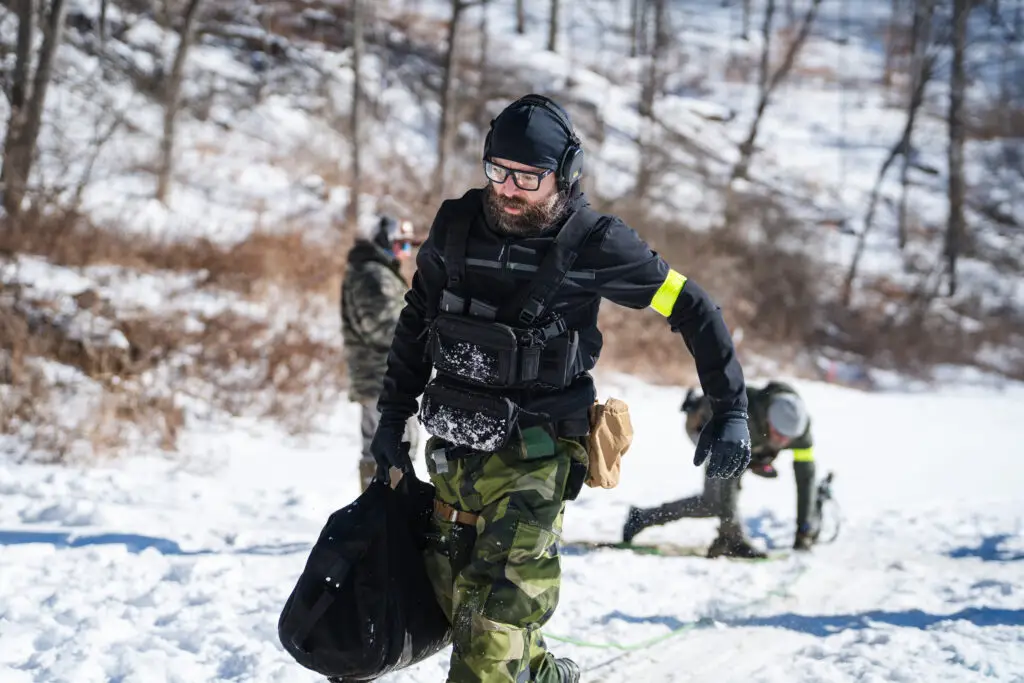
The Team Ruck match is a two-man team competition designed to challenge shooters while developing practical skills. Participants may compete traditionally or enter the Skill Builder Division if their goal is to learn and practice new skills. Throughout the match, shooters will utilize or be introduced to skills such as map reading, foreign weapons handling, room clearing, combat casualty care, and other applicable tasks. Teams will cover approximately 3.5 miles of ground across three or four ruck legs and compete in six shooting stages (approximately 30 rounds each), all designed to build teamwork and problem-solving under pressure.
The concept behind the match is to create a combat-practical rifle competition that emphasizes not only speed, accuracy, and precision, but also the importance of using cover and making sound tactical decisions. It doesn’t matter how fast or accurate you are—if you fail to position yourself advantageously on the battlefield, you will lose. The goal is to build a competition that reinforces core shooting fundamentals while also functioning as realistic training. At the same time, safety must always take priority over tactics in a match environment. For example, shooters may run their rifle empty and wait to reload until the next shooting position, whereas in a real combat situation you would normally keep your rifle as close to full capacity as possible.
combat rifle match rules
Rules
The starting position of every stage will be two hands on the weapon, weapon slung, and all gear secured (stowed, snapped, buckled, or strapped). The RO (Range Officer) will inform you of any alternative starting positions. The reason for this is so shooters will train deploying their equipment on the clock. Shooters should do their best to try to start each stage in the same condition. For example, a shooter should not fold their bipod legs down if they previously started with them up. The goal is to not skip steps in a “react to contact” scenario. We don’t care about your starting condition, and we encourage you to experiment, but don’t game it.
Cover
All shots must be fired from cover. If cover is not available, then a level change is required to engage the targets. All shots fired out of cover will result in a max-shot-score penalty. If cover is not available within three paces of the start, then prone will be the reacting position.
All reloads are to be conducted from cover (unless otherwise noted by the RO). Prone will count as cover if cover is not available. Ammo left on the ground will result in a penalty. All reloads done out of cover will result in a penalty.
Shooters must attempt to use optimal cover. If a shooter is using inadequate cover, the RO will shout “COVER!” The shooter should then use better cover. If the shooter doesn’t use better cover, the shooter will receive a max-score penalty for each shot fired after the RO’s warning.
In some stages, concealment may be used as cover. Also, some stages may be fundamentals-based stages where cover has been omitted. The RO will inform shooters in these instances.
Points
IDPA targets and steel targets will be used in this match. IDPA scoring is 1 point for a hit in the Down-0, 0.5 points for a hit in the −1, and 0.25 points for a hit in the −3 zones. Every bullet fired will be worth the same amount of points. A shot fired at steel will always be worth 1 point. All steel targets will be scored on a hit-or-miss basis.
Par Time
This class is for anyone from the entry level shooter to advanced. This class will be hands on but don’t let your fitness level hold you back. We will work with you. Safety is number one.
Gear Requirements
All shooters must carry a water source (1 quart minimum), five 30-round magazines, and an IFAK on them at every stage. They may use a belt, plate carrier, chest rig, backpack, or other means to maintain their gear.
The shooter may not alter any attachments on their rifle between stages. If you want to remove equipment, you must do it on the clock. Any gear (except empty mags) left on the field after the clock stops will not be allowed for use for the remainder of the match.
If it is the last stage of the day for the shooter and they leave gear on the stage to “game it,” the shooter will be given a 10-point penalty.
If the shooter has the required gear in a backpack, the shooter must take the pack with them through the entire stage. Shooters may not prep gear from their bag to their battle rattle between stages. If the shooter wants to use gear from their pack, it must be deployed on the clock.
Loading magazines from your pack before stages is acceptable only if the pack is worn in every stage.
Shooters will be required to carry a 25-lb ruck during the ruck legs. The weight should consist of non-consumables. This means shooters should not count ammo, food, or water they plan to use during the match.
Rifle Requirements
Every rifle must be a semi-automatic rifle and have a weapon-mounted light (or active IR device) and a sling. The light may be taped onto the rifle.
Pistols
Shooters may carry a pistol as part of their full battle rattle. The shooter will be required to have a proper pistol holster, five rifle magazine pouches, an IFAK, and a water source.
Shooters may choose to shoot certain targets with their pistol instead of their rifle; however, the shooter must start in their normal starting condition (two hands on the weapon and rifle slung), and the shooter must maintain control of their rifle unless the stage says otherwise.
If a pack is used, it must weigh 25 lbs excluding consumables (ammo, food, and water).
Disqualifications (DQ)
Loss of a weapon, negligent discharge, and flagging will all result in a DQ. The RO and the MD may disqualify shooters for not shooting the stage as intended.
Other Gear
Shooters are welcome to use many different accessories—bags, tripods, rangefinders, data card holders, etc. However, this gear must be deployed from secured positions on the clock. Shooters shall not modify or prep accessories off the clock.
A shooter may add to their minimum load carry. A pack not worn on every stage is not considered part of your battle rattle.
Feedback
I have consulted with Army Rangers, Marines, 11Bs, Special Forces, snipers (Army and Marine), Green Berets, SWAT, and beat cops. From all of this acquired data, I have created a fighting rifle match that doubles as training exercises. I am always willing to improve, so please give us feedback after the match.
winter ruck match
Typically held in the winter
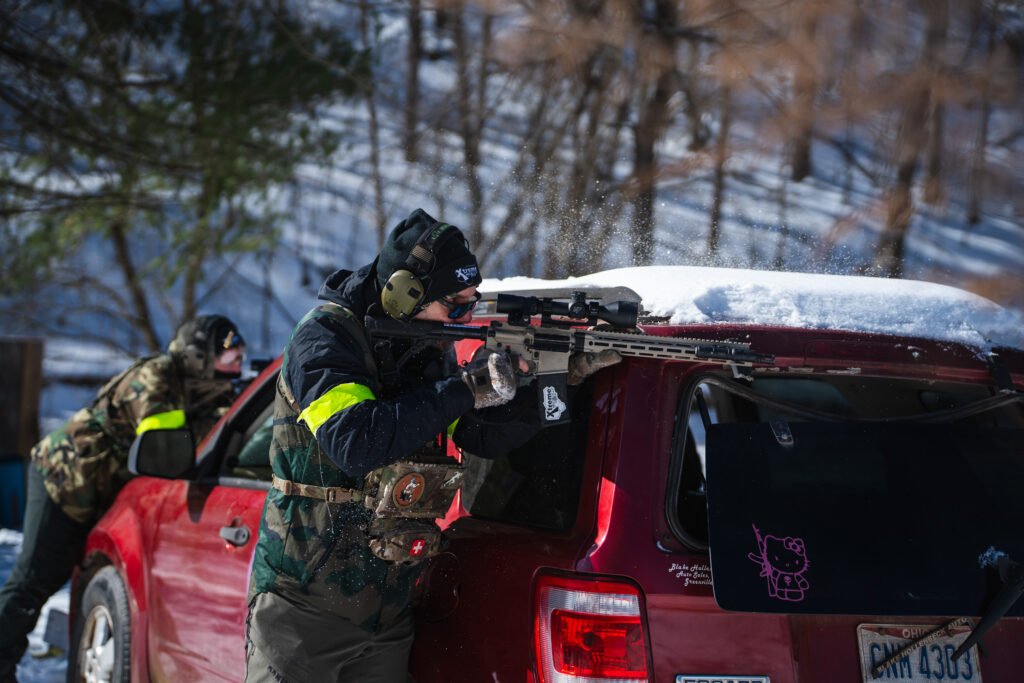
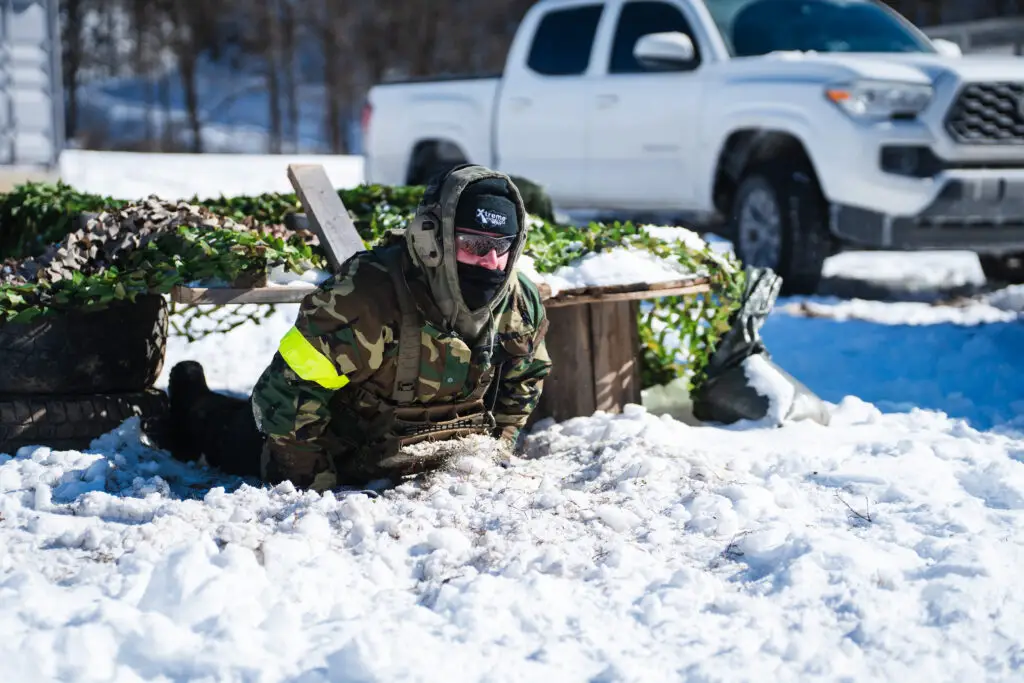
ALL CLASSES ARE HOSTED THROUGH PRACTISCORE. TO VIEW UPCOMING CLASSES AND SIGN UP, PLEASE VISIT OUR PRACTISCORE PAGE.